Is going to the ART really worth it?
As of 2026-07-15 · Fidelity Editorial
We set out the Administrative Review Tribunal's visa refusal review statistics for 14 October 2024 to 31 May 2026 by visa subclass: outcomes, backlogs, processing times, and what the move to on-the-papers review means for student visa refusals.
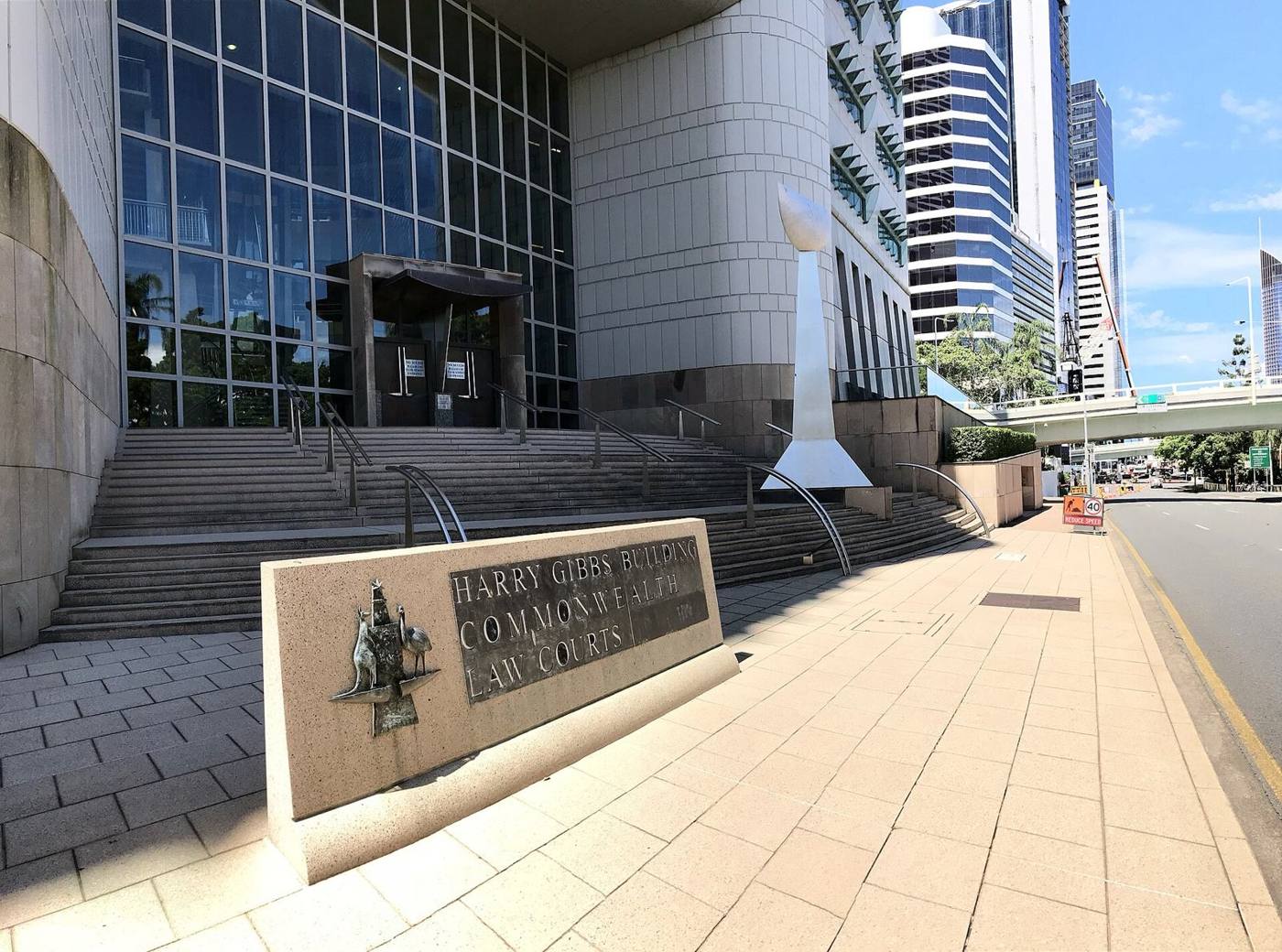
Harry Gibbs Commonwealth Law Courts Building, Brisbane. Photo: Kgbo / Wikimedia Commons, CC BY-SA 4.0
The Administrative Review Tribunal (ART) has published statistics on reviews of visa refusals. We have set them out by visa subclass for the period 14 October 2024 to 31 May 2026. The ART reports this in two blocks: 14 October 2024 to 30 June 2025, and 1 July 2025 to 31 May 2026. Review processing times cover decisions made between 1 December 2025 and 31 May 2026.
If you have had a visa refused and are deciding whether to apply for review, the figures below may help. We have kept what the statistics show separate from our own interpretation. This post is current as at 15 July 2026.
How to read the tables
Successful (set aside): the Tribunal overturned the Department's decision.
Unsuccessful (affirmed, including dismissed): the original decision stands.
Withdrawn: the applicant withdrew the review before a decision.
Active: cases still waiting for a decision at the end of each block.
Where the three percentages do not add up to the whole, the remainder is due to "Other" outcomes and rounding. "Other" covers cases finalised before the Tribunal reviewed the merits, for example where the Tribunal had no jurisdiction, the applicant did not have standing, the application was made out of time, or the application fee was not paid.
The cards do not state the base for the percentages, but they are most naturally read as a share of cases finalised in each period. Also note that the first block runs for about eight and a half months and the second for eleven, so lodgement numbers are not directly comparable.
Student visas (subclass 500): the largest numbers by far
Period | New lodgements | Finalised | Set aside | Affirmed | Withdrawn | Active |
|---|---|---|---|---|---|---|
14 Oct 2024 – 30 Jun 2025 | 23,037 | 4,287 | 47% | 19% | 31% | 36,937 |
1 Jul 2025 – 31 May 2026 | 25,907 | 10,637 | 41% | 20% | 38% | 52,200 |
In the eleven months from 1 July 2025, 25,907 new student visa reviews were lodged and 10,637 were finalised. At 31 May 2026, 52,200 cases were still active, up from 36,937 at the end of the previous block. In other words, new cases are still arriving faster than they are being decided.
Of the cases finalised in that period, 41% were set aside, 20% were affirmed and 38% were withdrawn. For decisions made between 1 December 2025 and 31 May 2026, half were made within 1 year 7 months and 95% within 2 years.
Outcomes by visa, 1 July 2025 – 31 May 2026
Visa | New lodgements | Finalised | Set aside | Affirmed | Withdrawn | Active |
|---|---|---|---|---|---|---|
500 Student | 25,907 | 10,637 | 41% | 20% | 38% | 52,200 |
485 Temporary Graduate | 1,602 | 680 | 44% | 18% | 34% | 2,893 |
189 Skilled Independent | 74 | 58 | 10% | 24% | 57% | 176 |
190 Skilled Nominated | 90 | 54 | 33% | 19% | 43% | 194 |
491 Skilled Work Regional | 90 | 54 | 26% | 19% | 33% | 187 |
191 Permanent Residence (Skilled Regional) | 7 | 2 | 50% | 0% | 50% | 11 |
820 Partner (Temporary) | 448 | 633 | 61% | 19% | 17% | 2,323 |
801 Partner (Permanent) | 162 | 92 | 38% | 28% | 25% | 388 |
407 Training | 1,325 | 287 | 5% | 4% | 55% | 1,733 |
482 Skills in Demand | 2,605 | 802 | 44% | 12% | 37% | 3,519 |
186 Employer Nomination | 177 | 126 | 41% | 30% | 27% | 342 |
Sponsorship / Nomination | 2,662 | 1,125 | 37% | 17% | 42% | 4,168 |
The previous block: 14 October 2024 – 30 June 2025
Visa | New lodgements | Finalised | Set aside | Affirmed | Withdrawn | Active |
|---|---|---|---|---|---|---|
500 Student | 23,037 | 4,287 | 47% | 19% | 31% | 36,937 |
485 Temporary Graduate | 1,255 | 475 | 57% | 19% | 22% | 1,970 |
189 Skilled Independent | 55 | 42 | 21% | 14% | 64% | 160 |
190 Skilled Nominated | 79 | 33 | 33% | 15% | 48% | 159 |
491 Skilled Work Regional | 61 | 28 | 46% | 14% | 39% | 151 |
191 Permanent Residence (Skilled Regional) | 6 | 1 | 1 of 1 | 0% | 0% | 6 |
820 Partner (Temporary) | 461 | 390 | 59% | 26% | 11% | 2,499 |
801 Partner (Permanent) | 80 | 52 | 33% | 50% | 13% | 327 |
407 Training | 597 | 54 | 20% | 11% | 48% | 695 |
482 Skills in Demand | 958 | 262 | 50% | 12% | 34% | 1,716 |
186 Employer Nomination | 117 | 134 | 25% | 38% | 36% | 292 |
Sponsorship / Nomination | 1,724 | 443 | 32% | 17% | 47% | 2,641 |
How long reviews take (1 December 2025 – 31 May 2026)
This shows the time within which 50% and 95% of decisions in that period were made.
Visa | 50% within | 95% within |
|---|---|---|
500 Student | 1 yr 7 mo | 2 yrs |
485 Temporary Graduate | 1 yr 6 mo | 2 yr 10 mo |
189, 190, 491, 191 | 1 yr 4 mo | 2 yr 9 mo |
820, 801 Partner | 3 yr 2 mo | 3 yr 10 mo |
407 Training, 482 Skills in Demand | 1 yr 6 mo | 2 yr 10 mo |
186 Employer Nomination | 1 yr 2 mo | 1 yr 8 mo |
Sponsorship / Nomination | 1 yr 7 mo | 2 yr 5 mo |
What stands out
482 Skills in Demand: new lodgements rose from 958 to 2,605, about 2.7 times as many. Even allowing for the longer second block, that is a large increase, and active cases grew from 1,716 to 3,519.
407 Training: lodgements rose from 597 to 1,325. Of the 287 cases finalised in the second block, 5% were set aside, 4% affirmed and 55% withdrawn.
189 Skilled Independent: of 58 cases finalised, 57% were withdrawn and 10% set aside.
820 and 801 Partner: the 820 set-aside rate of 61% is relatively high, but these are the slowest reviews in the data, with half decided within 3 years 2 months and 95% within 3 years 10 months.
Small numbers: only 2 subclass 191 cases were finalised in the second block, so the percentages say little on their own. The 189, 190 and 491 figures are in the dozens, so a handful of cases can move the rates noticeably.
Student visa reviews are now decided on the papers.
Following a recent change in the law, reviews of student visa refusals are, as a rule, decided without an oral hearing, on the written material alone. Except in very limited circumstances, the Tribunal member decides the case based only on what has been submitted in writing.
That means a case can be affirmed after a long wait without the applicant having the opportunity to explain their situation in person. Certain other temporary visas are also set to be brought under the on-the-papers process by future regulations. Permanent and protection visas are not part of this change.
In practice, a well-prepared written submission, with supporting evidence, can now play a decisive role in a student visa review.
Why is the withdrawal rate so high? Our view
The withdrawal rates stand out. What follows is not something the statistics show directly; it is our interpretation based on what we see in practice.
Long waits: many reviews take more than a year, and circumstances change in that time.
Moving to another visa: some applicants pursue a different visa pathway while waiting and withdraw the review.
The weight of an affirmed decision: if a review is affirmed, that record may need to be explained not only in Australia but also when applying for visas in other countries such as the US and Canada, since most countries ask about previous visa refusals from any country. When an initial refusal is followed by an affirmed review, the applicant has effectively been refused twice, which can make it harder to explain.
The next step after the ART, the Federal Circuit and Family Court of Australia, does not re-hear the merits of a case. It only examines legal error (judicial review). The threshold is much higher and litigation costs can be significant. For these reasons, some applicants who do not consider their grounds strong appear to choose to withdraw rather than wait for a decision.
Summary
Of the 10,637 student visa reviews finalised between July 2025 and May 2026, 41% were set aside. At the same time, 52,200 cases were still active at 31 May 2026, and, for decisions made between December 2025 and May 2026, half took up to 1 year 7 months. Outcomes and waiting times vary widely between visa types.
A review takes time and money, and an affirmed decision can leave a record that must be explained in later applications. With student visa reviews now decided on the papers, anyone considering a review may want to look carefully at the refusal reasons and the evidence available to answer them first. Meeting the requirements and preparing documents thoroughly at the initial application stage is also the most direct way to reduce the chance of needing a review at all.


Sources
Fidelity Migration Services · Registered migration agent MARN 2619380 · Brisbane · Book a consultation