Australia's migration overhaul announced — what changes for student, 485, working holiday and visitor visas
As of 2026-09-18 · Fidelity Editorial
This information has since changed. Some of the student visa measures described here took effect on 2 October 2026, including the limits on adding new family members and on applying for a student visa from inside Australia. See the post below for the confirmed requirements. The Working Holiday ballot and visitor visa conditions are described as announced at the date of this post.
The reforms Tony Burke announced in September 2026, read from the speech itself: student visa dependants, downward course moves, the second- and third-year working holiday ballot, No Further Stay on visitor visas — and the questions the speech leaves open.
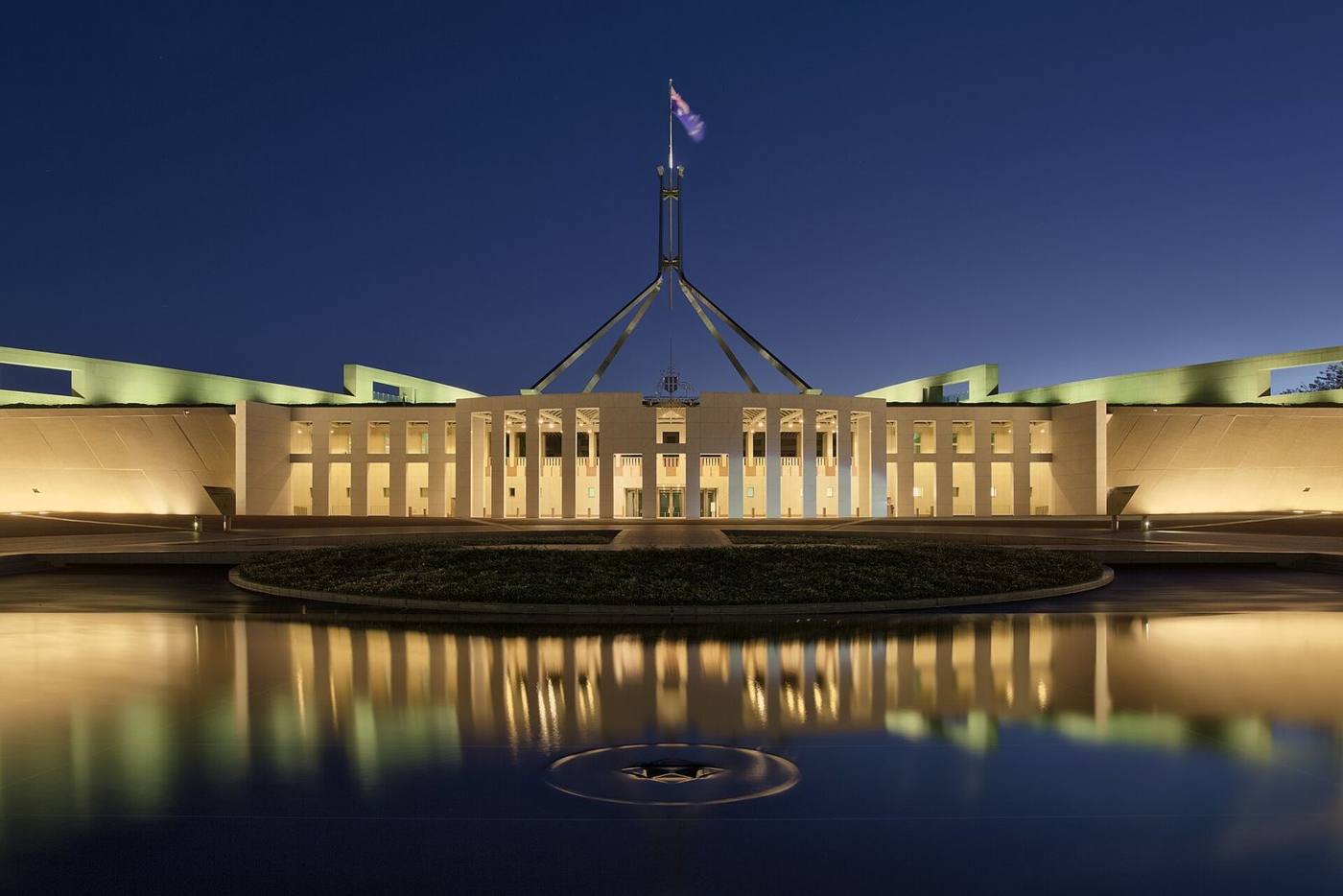
Parliament House, Canberra. Photo: Thennicke / Wikimedia Commons, CC BY-SA 4.0
On 17 September 2026, Home Affairs Minister Tony Burke used his National Press Club address to announce a broad overhaul of Australia's migration settings. It touches student visas, the Temporary Graduate (485) visa, Working Holiday visas and visitor visas all at once.
Rather than working from news summaries, we read the speech itself and separated what was announced from what has not been settled yet. Everything below is an announced reform. As at the date of this post, none of it is in effect.
1. Student and 485 visas — no more adding family members
Under the reform, the pathway for adding a partner or children as dependants to a student visa or a Temporary Graduate (485) visa will close. The target is the model where one person's studies support a partner who also lives and works in Australia.
Put simply, the student visa is being redefined as a visa for one primary applicant's studies, not for a family's move. Some cohorts keep family accompaniment, including Pacific and ASEAN nationals and some courses such as PhDs.

Tony Burke. Photo: Commonwealth of Australia / Wikimedia Commons, CC BY 3.0 AU
"Anyone who already has their family attached to a visa and is already here, we're not going to be breaking up families onshore. But we will no longer be adding to the stock of students automatically being able to bring family members over."
— Tony Burke, National Press Club
The protection in that sentence covers only family members who are attached to a visa and already in Australia (onshore). A partner who was declared on the application but not included as a dependant sits outside that wording. Where a declared partner will stand is the first question the regulations need to answer.
A declaration on file is not a disadvantage. It remains formal evidence of the relationship. Existing dependants keep their current arrangements, and we will update this once the regulations confirm how the 485 stage will be handled.
2. Student visas — the qualification ladder only goes up.
The pathway of moving down to a lower-level course to extend a stay — for example a VET diploma, or a long cookery or carpentry course after a bachelor's or master's degree — will be closed. Course extensions (12 months) and changes to a course at the same level remain, but a course change will also be assessed as a new visa application.
The direction of the reform is clear: if a study plan looks like a way to extend a stay, it will not lead to the next visa.
"You can go up the qualification scale, but only up the qualification scale. So, at the end of a bachelor's degree if you want to then do a masters, that's up the scale; that's okay."
— Tony Burke, National Press Club
The announcement targets downward moves after completing a course in Australia. Whether a first VET enrolment after an overseas bachelor's degree is also caught depends on where the regulations set the ladder's starting point — your last Australian qualification, or your highest qualification anywhere.
Either way, that pathway already faces a high bar under the Genuine Student requirement, reform or not, and it calls for a carefully designed study plan.
3. Working Holiday — second and third years move to a ballot.
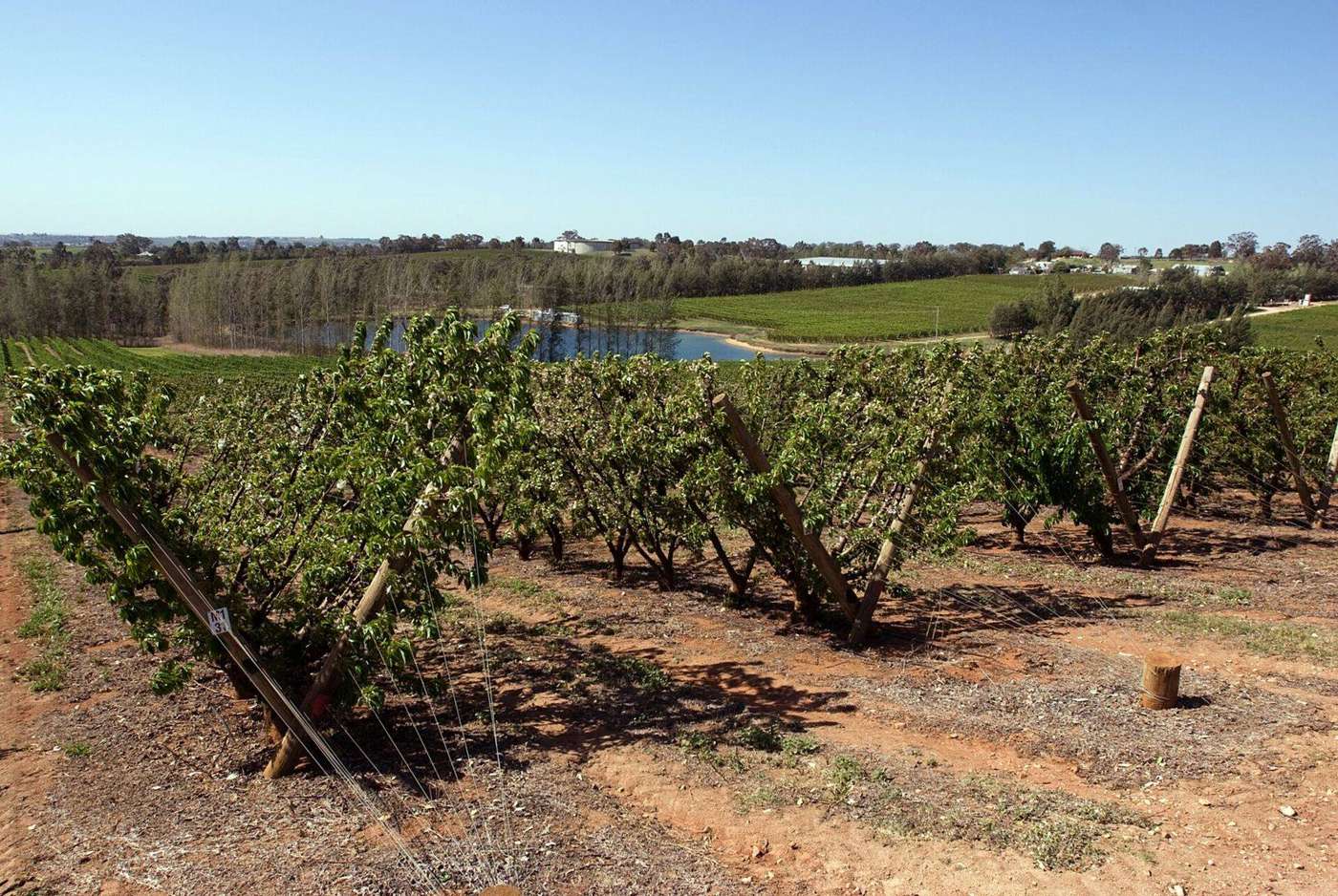
Cherry farm near Young, New South Wales. Photo: Nick Pitsas, CSIRO / Wikimedia Commons, CC BY 3.0
Until now, completing 88 days (second year) or six months (third year) of specified work in a designated regional area has effectively secured the next Working Holiday visa.
Under the reform, the regional work requirement stays, but meeting it only makes you eligible for the ballot. Visas will then be granted by ballot. Completing your 88 days may not be enough to get the visa.
Visa | Qualified last year | Ballot places |
|---|---|---|
Second year | approx. 57,000 | 45,000 |
Third year | approx. 31,000 | 5,000 (cap) |
On last year's numbers, the third year comes down to roughly 1 in 6 eligible applicants. UK nationals are exempt from the ballot, and processing speeds stay as they are now.
4. Visitor visas — no more switching to a partner visa after arriving as a tourist
A No Further Stay condition will be attached to visitor visas (subclasses 600 and 601). It will no longer be possible to arrive on a visitor visa and then apply onshore for another visa, such as a partner visa (820/801).
People already in Australia are not affected; the condition applies to visas granted from now on. If you plan to change visas inside Australia, the pathway needs to be designed before you arrive.
Announced at the same time — not every door is closing.
Points test overhaul — construction trade qualifications move up to score the same as a university degree.
More priority occupations — visa processing brought forward for construction, agriculture, fisheries, resources and education.
Easier visitor visa grants — family visits, and regular visits while a partner visa is pending, become easier.
On the other side of the tighter rules, the door to skilled migration is widening.
Questions the speech leaves open
How will a partner who was declared, but not included as a dependant, be treated after the reform?
Is the starting point for the "only up" rule your last Australian qualification, or your highest qualification anywhere?
At the 485 stage, how will existing and new dependants be handled?
Summary
As at the date of this post, none of these changes is in effect, and the detailed requirements may change once the regulations are finalised. If you are planning a visa change inside Australia, the period before commencement may be the time to review your timeline and eligibility.


Sources
- Tony Burke, Minister for Home Affairs — National Press Club address (Citizenship Day, 17 September 2026)
Fidelity Migration Services · Registered migration agent MARN 2619380 · Brisbane · Book a consultation